How to Take Care of Jade Plants at Home (Complete Guide)
May 15, 2026
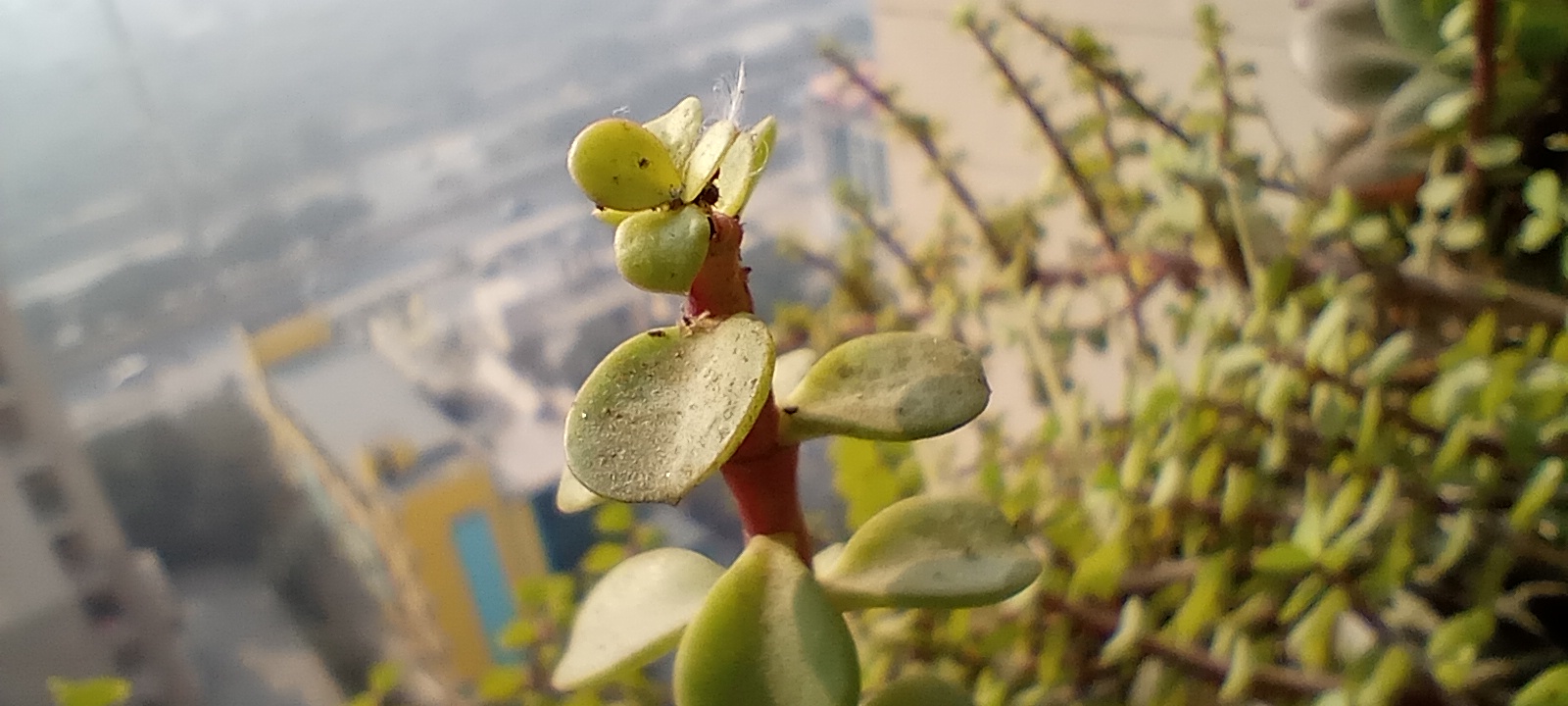
Jade plants are among the most peaceful and low-maintenance succulents you can grow at home. Their thick green leaves, reddish stems, and compact structure give them a calm and balanced appearance that fits beautifully in balconies, windows, desks, and indoor corners. Often associated with positivity and growth, jade plants have remained popular for years because of their simple beauty and ability to thrive with minimal care.
One of the most attractive qualities of a jade plant is its resilience. Unlike delicate indoor plants that require constant attention, jade plants adapt comfortably to changing conditions and continue growing steadily even with basic maintenance. Their slow and structured growth pattern also makes them ideal for modern minimalist spaces where simplicity matters more than excessive decoration.
Sunlight plays a major role in maintaining the healthy appearance of jade plants. These succulents prefer bright sunlight and usually grow best when they receive several hours of indirect or mild direct sunlight daily. A sunny balcony, terrace, or window with good natural light often creates the perfect environment for them. Without enough sunlight, the stems may weaken, and the leaves can begin losing their compact appearance over time.
Since jade plants store water inside their thick leaves, they do not require frequent watering. In fact, excessive watering is one of the most common reasons jade plants struggle. The soil should always be allowed to dry before watering again. During summers, moderate watering every few days is generally enough, while winters naturally require less moisture because the soil dries more slowly. If the leaves start becoming soft, yellow, or wrinkled, it is often a sign that the watering routine needs adjustment.
The right soil is extremely important for healthy jade plant growth. Well-draining succulent soil works best because it prevents water from remaining trapped around the roots. Heavy soil that stays wet for long periods can eventually lead to root rot and weaken the plant. Pots with proper drainage holes also help maintain healthier root conditions and prevent unnecessary moisture buildup.
Jade plants usually thrive in warm environments with good airflow. Temperatures between 18°C and 30°C are generally ideal for steady growth. They adapt well to normal indoor conditions but should be protected from extreme cold and prolonged moisture exposure. Keeping the leaves dry and maintaining proper airflow around the plant helps reduce fungal issues naturally.
One of the reasons people enjoy growing jade plants is their slow yet rewarding growth pattern. Over time, healthy jade plants develop thicker stems and fuller branches that give them a miniature tree-like appearance. With patience and proper pruning, older jade plants often become even more visually attractive and structured.
Pruning also helps maintain the plant’s shape and encourages balanced growth. Removing weak or damaged stems allows the plant to focus its energy on healthier branches. Jade plant cuttings can also be propagated easily. A healthy stem cutting left to dry briefly before planting can eventually develop roots and grow into a completely new plant.
Although jade plants are beginner-friendly, a few common mistakes can still affect their health. Overwatering, poor drainage, insufficient sunlight, and constantly wet soil are among the most common problems people face. Ignoring these conditions for long periods may eventually cause leaf drop, weak stems, or root damage.
Beyond their care requirements, jade plants bring a quiet sense of calmness into indoor spaces. Their balanced structure, soft green leaves, and slow growth create an atmosphere that feels natural and peaceful against busy urban surroundings. Even a small jade plant resting near sunlight can completely change the feeling of a balcony or room corner.
A healthy jade plant does not grow rapidly or demand constant attention. Instead, it grows slowly, steadily, and quietly over time. With balanced sunlight, moderate watering, and patience, it continues becoming stronger and more beautiful year after year. Sometimes, the calmest plants leave the strongest impression.