How to Take Care of Kalanchoe Flowers at Home (Complete Guide)
May 15, 2026
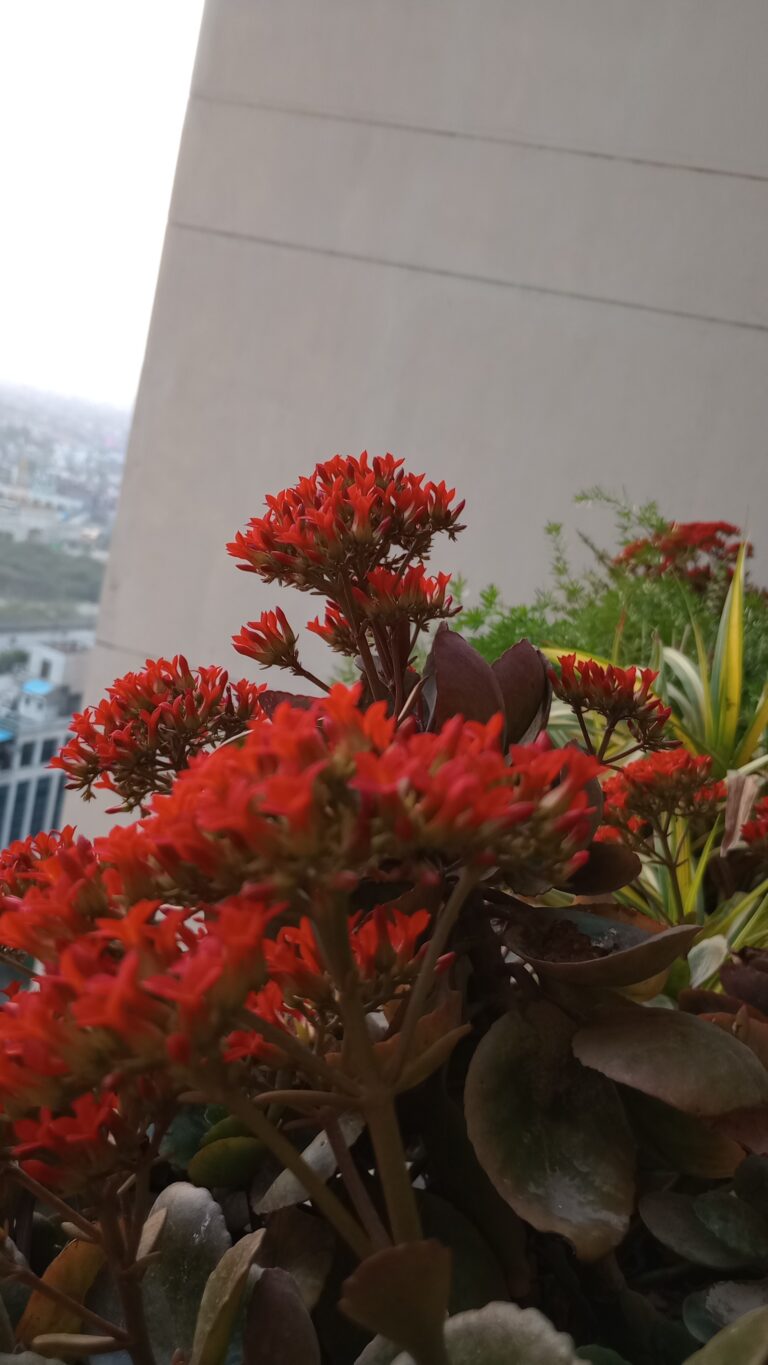
Kalanchoe flowers are among the most beautiful low-maintenance flowering plants that can brighten balconies, windows, and indoor spaces effortlessly. Their clusters of vibrant blooms combined with thick succulent leaves create a rich and colorful appearance that stands out beautifully in both modern and natural settings. Whether placed near a sunny window or resting quietly on a balcony during sunset, a kalanchoe plant adds warmth and freshness to its surroundings without demanding excessive care.
One of the biggest reasons people love kalanchoes is their ability to bloom for long periods while remaining relatively easy to maintain. Unlike many delicate flowering plants, they adapt well to indoor environments and can continue growing steadily with simple care routines. Their compact structure also makes them ideal for smaller spaces where large plants may not fit comfortably.
Sunlight is one of the most important factors for healthy kalanchoe growth and flowering. These plants thrive best in bright sunlight, especially gentle morning light that helps maintain healthy leaves and encourages blooming. A sunny balcony or a well-lit window usually provides ideal conditions for them. If kept in excessive shade for long periods, the plant may become weak and produce fewer flowers. Balanced lighting helps maintain both vibrant blooms and strong foliage.
Since kalanchoes belong to the succulent family, they store water inside their thick leaves. Because of this, they do not require frequent watering. In fact, overwatering is one of the most common reasons why kalanchoes struggle. The soil should be allowed to dry partially before watering again. During warmer months, watering once every few days is usually enough, while winters naturally require less moisture because the soil takes longer to dry.
Well-draining soil is essential for keeping kalanchoe roots healthy. Succulent or cactus soil mixes work particularly well because they prevent excess moisture from remaining trapped around the roots. Heavy soil that stays wet for long periods can eventually cause root rot and damage the plant. Pots with drainage holes also play an important role in maintaining proper soil conditions.
One of the most attractive qualities of kalanchoes is their long-lasting flowers. Their colorful blooms often remain fresh for several weeks, especially when the plant receives enough sunlight and moderate watering. Removing dried flowers regularly helps the plant conserve energy and encourages healthier future blooming. Occasional feeding with a mild flowering fertilizer can also support brighter and more consistent flower production.
Temperature and airflow also affect the plant’s health. Kalanchoes generally prefer temperatures between 18°C and 30°C and adapt well to normal indoor environments. Extremely cold conditions or excessive humidity may weaken the plant and affect flowering. Proper airflow around the leaves helps reduce fungal problems and keeps the plant healthier overall.
Although kalanchoes are relatively beginner-friendly, a few common mistakes can still damage them over time. Excess watering, poor drainage, insufficient sunlight, and constantly wet soil are among the most common issues people face. Yellow leaves, weak stems, or reduced flowering often indicate that the plant’s environment needs adjustment.
Beyond their practical care requirements, kalanchoes bring a unique visual charm into indoor spaces. Their bright flower clusters create warmth against balconies, shelves, and window corners, especially during evening hours when sunlight softly touches the petals. Even a small kalanchoe plant can make a quiet corner feel more alive and welcoming.
A healthy kalanchoe plant does not simply produce flowers—it creates atmosphere. With balanced sunlight, moderate watering, and occasional care, it continues rewarding attention with vibrant blooms that brighten spaces for weeks at a time. Sometimes, a single flowering plant is enough to change the entire feeling of a room.