How to Grow and Take care of Petunia Flowers at Home (Complete Beginner Guide)
May 13, 2026
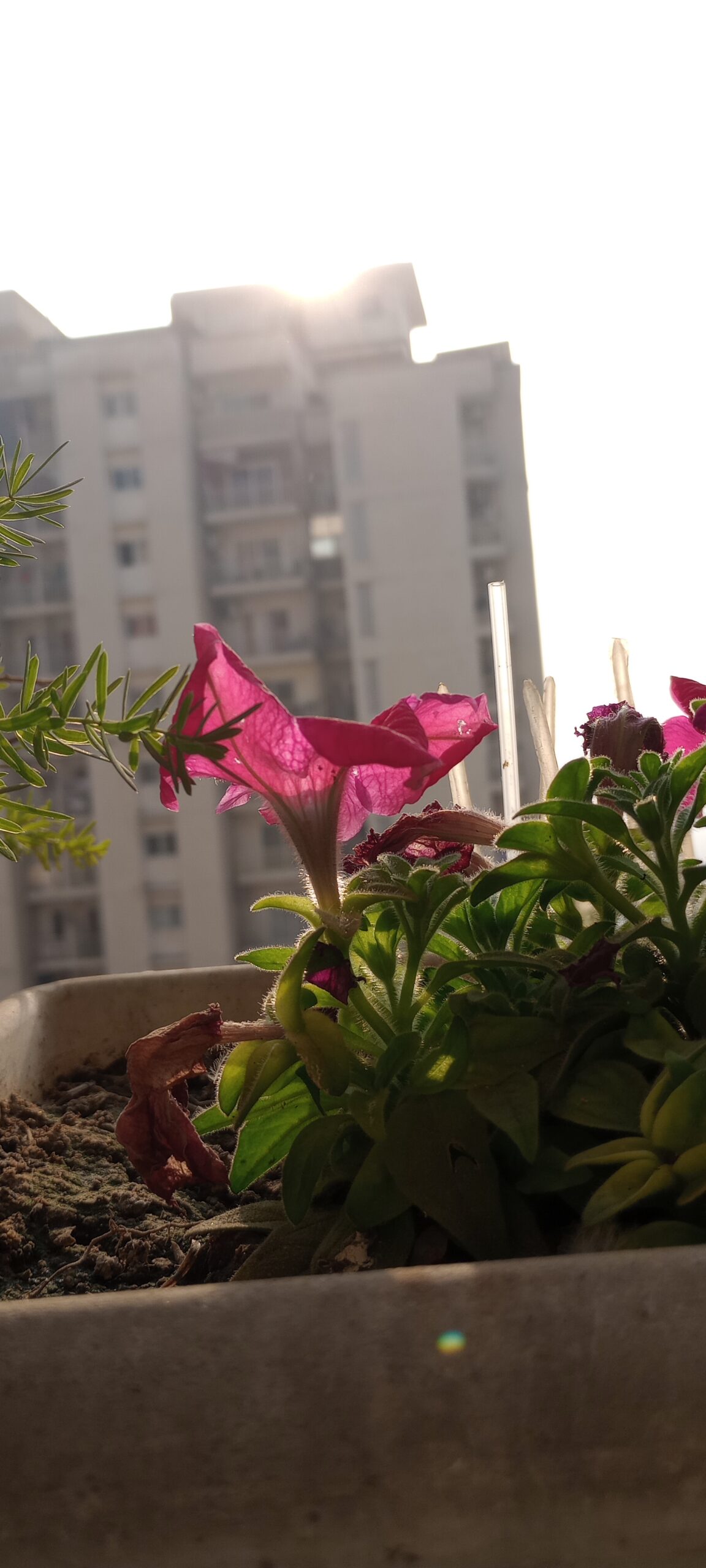
Petunias are among the most vibrant and rewarding flowering plants you can grow at home. Their soft trumpet-shaped blooms, bright colors, and long flowering season make them a favorite choice for balconies, terraces, and window gardens. Whether glowing under the morning sun or catching the warmth of an evening sunset, petunias have a way of making even the simplest spaces feel more lively and welcoming.
One of the reasons gardeners love petunias is their ability to bloom continuously with relatively simple care. They do not demand complicated maintenance routines, yet they produce an impressive display of flowers when provided with the right environment. Their trailing growth habit also makes them ideal for hanging baskets, balcony railings, and decorative planters.
Sunlight plays the most important role in healthy petunia growth. These flowers thrive best in full sunlight where they can receive at least five to six hours of direct light daily. Adequate sunlight encourages more blooming and helps the plant maintain healthy foliage. If kept in excessive shade, petunias may start producing fewer flowers and appear weak or stretched. A bright balcony or terrace with good airflow usually creates the perfect environment for them.
Watering petunias requires balance and consistency. The soil should remain slightly moist but not waterlogged. During hotter months, petunias may require more frequent watering because their flowers and leaves lose moisture quickly under strong sunlight. However, overwatering can weaken the roots and reduce flowering. It is always better to check the soil before watering again. If the top layer feels dry, the plant is usually ready for moisture.
The quality of soil directly affects how well petunias bloom. They prefer loose, well-draining soil rich in organic matter. A mix containing garden soil, compost, and a small amount of sand usually works well because it allows proper drainage while still holding enough nutrients. Pots with drainage holes are essential because stagnant water can damage the roots and eventually affect flowering.
Regular pruning and deadheading help petunias continue blooming for longer periods. As flowers fade, removing the dried blooms encourages the plant to produce fresh buds instead of wasting energy on old flowers. Trimming overly long stems also helps maintain a fuller and bushier appearance. Without occasional pruning, petunias can sometimes become leggy and uneven after continuous growth.
Fertilizing petunias every few weeks can significantly improve flowering performance. Since these plants bloom heavily, they naturally consume more nutrients over time. A balanced liquid fertilizer or flowering plant feed helps maintain healthy foliage and brighter blooms throughout the season. Healthy petunias often reward consistent care with waves of colorful flowers that continue appearing for months.
Although petunias are relatively easy to maintain, they can still face a few common issues. Excessive moisture may lead to fungal problems or root damage, while insufficient sunlight can reduce blooming. Pests such as aphids occasionally appear near young buds and leaves, but regular observation usually helps prevent serious damage. Healthy airflow around the plant also reduces many common problems naturally.
Beyond their beauty, petunias create a calming atmosphere wherever they bloom. Their soft petals moving gently in the evening breeze bring a quiet sense of freshness to balconies and urban spaces surrounded by concrete buildings. In many ways, they remind us how a small amount of nature can completely change the feeling of a place.
A healthy petunia plant does not simply produce flowers—it creates moments. Moments of color during sunsets, moments of stillness after long days, and moments where even a small balcony begins to feel connected to nature again.
Suggested Readings:-