How to Take Care of a Snake Plant Indoors (Complete Beginner Guide)
April 26, 2026
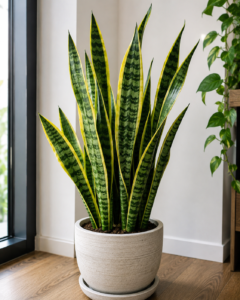
Snake plants are among the most reliable indoor plants for beginners. Their upright leaves, deep green patterns, and minimal care requirements make them a popular choice for modern homes and workspaces. Whether placed in a bedroom corner, near a study table, or beside a window, a snake plant quietly enhances the atmosphere without demanding constant attention.
One of the reasons why snake plants are loved by so many plant owners is their ability to adapt. Unlike delicate indoor plants that require precise care routines, snake plants tolerate occasional neglect surprisingly well. Even if you forget to water them for a few days, they continue standing tall with little complaint. This makes them an ideal choice for busy people or those who are just beginning their indoor plant journey.
Lighting plays an important role in maintaining the healthy appearance of a snake plant. Although these plants can survive in low-light conditions, they grow much better when placed in bright indirect sunlight. A location near a window with filtered light usually works perfectly. Keeping them in complete darkness for long periods may slow their growth and make the leaves appear dull over time. On the other hand, intense direct sunlight for several hours can scorch the leaf edges and damage their natural texture.
Watering is where most snake plant problems begin. These plants store moisture inside their thick leaves, which means they do not require frequent watering like many other indoor plants. In fact, overwatering is one of the fastest ways to damage a snake plant. The soil should always be allowed to dry completely before watering again. During warmer months, watering every two to three weeks is generally enough, while winters require even less frequent watering. If the leaves begin turning yellow or feel soft near the base, excess moisture is often the cause.
The type of soil used also affects the long-term health of the plant. Snake plants prefer well-draining soil that does not trap water around the roots. A cactus or succulent mix usually works very well because it allows excess moisture to escape easily. Pots with drainage holes are equally important since stagnant water at the bottom can eventually lead to root rot. Healthy roots are essential for maintaining the plant’s strong upright growth.
Snake plants thrive comfortably in normal indoor temperatures, making them highly suitable for homes and apartments. They prefer temperatures between 15°C and 30°C and generally adapt well to average room humidity. Extremely cold environments, however, can stress the plant and slow its growth. Placing the plant too close to air conditioners or cold drafts should also be avoided.
Although snake plants are low-maintenance, occasional cleaning helps them look fresh and healthy. Dust often settles on the broad leaves, especially indoors, reducing the plant’s ability to absorb light properly. Gently wiping the leaves with a soft damp cloth every few weeks helps restore their shine and keeps the foliage looking vibrant. Removing damaged or dried leaves also improves the overall appearance of the plant.
Another reason why snake plants are popular is their slow yet steady growth pattern. They do not grow aggressively, but with proper care, they continue developing new leaves over time. Their structured appearance makes them suitable for minimalist interiors, modern decor styles, and small indoor spaces where simplicity matters.
Despite their toughness, a few common mistakes can still harm snake plants. Overwatering, poor drainage, and prolonged exposure to harsh sunlight are among the most common issues. Some people also place them in completely dark corners assuming they need no light at all. While the plant may survive temporarily, its growth and appearance eventually suffer under such conditions.
A snake plant does not need excessive care to remain healthy. With balanced light, occasional watering, and proper drainage, it continues growing quietly and steadily for years. Its calm presence, architectural leaves, and resilience make it more than just an indoor plant—it becomes a subtle part of the space around it. Sometimes, the easiest plants are the ones that leave the strongest impression.