15 Best Plants for Plant Photography (2026 Guide)
Whether you’re using a DSLR, a mirrorless camera, or simply your smartphone, the subject you photograph matters just as much as the equipment in your hands. While every plant has its own charm, some naturally stand out because of their vibrant colours, unique leaf patterns, striking textures, or beautiful blooms. These characteristics make them ideal subjects for beginners and experienced photographers alike.
Photogenic plants don’t just look attractive in real life—they respond beautifully to natural light, create interesting compositions, and often require very little editing. If you’re just beginning your journey, our How to Get Started With Plant Photography in 2026 guide will help you understand the basics before choosing your first photography subjects.
Here are 15 stunning plants that deserve a place in every plant photographer’s collection.
1. Petunia
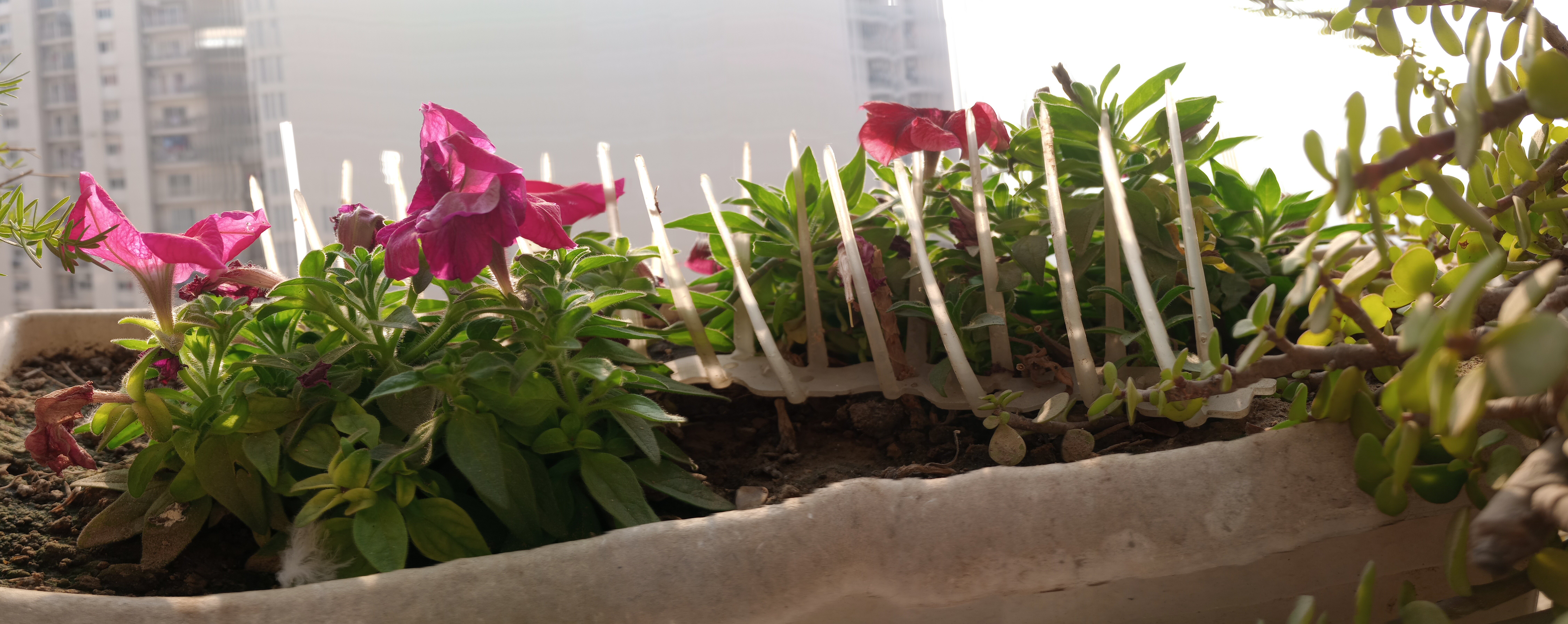
Petunias are among the easiest flowers to photograph because of their vibrant colours and trumpet-shaped blooms. They flower generously throughout the season, making them perfect for experimenting with close-up photography, composition, and natural lighting. During the golden hour, their petals reflect warm sunlight beautifully, creating soft and colourful images.
Related Read: How to Grow and Take Care of Petunia Flowers
2. Money Plant
The Money Plant is one of the most versatile indoor plants for photography. Its heart-shaped leaves, trailing vines, and vibrant green colour create elegant compositions, especially near windows or on balconies. It works particularly well for minimalist photography.
Related Read: Money Plant Care Guide
3. Snake Plant
If you enjoy clean, modern compositions, the Snake Plant is an excellent choice. Its upright leaves create strong leading lines that naturally guide the viewer’s eyes through the photograph. The contrasting green and yellow edges become even more attractive during soft evening light.
Related Read: Snake Plant Care Guide
4. Monstera
Few plants are as instantly recognizable as the Monstera. Its naturally split leaves create dramatic shadows, making it one of the best indoor plants for aesthetic photography. Whether photographed against a plain wall or backlit by sunlight, Monstera always produces striking visuals.
Related Read: Monstera Care Guide
 5. Kalanchoe
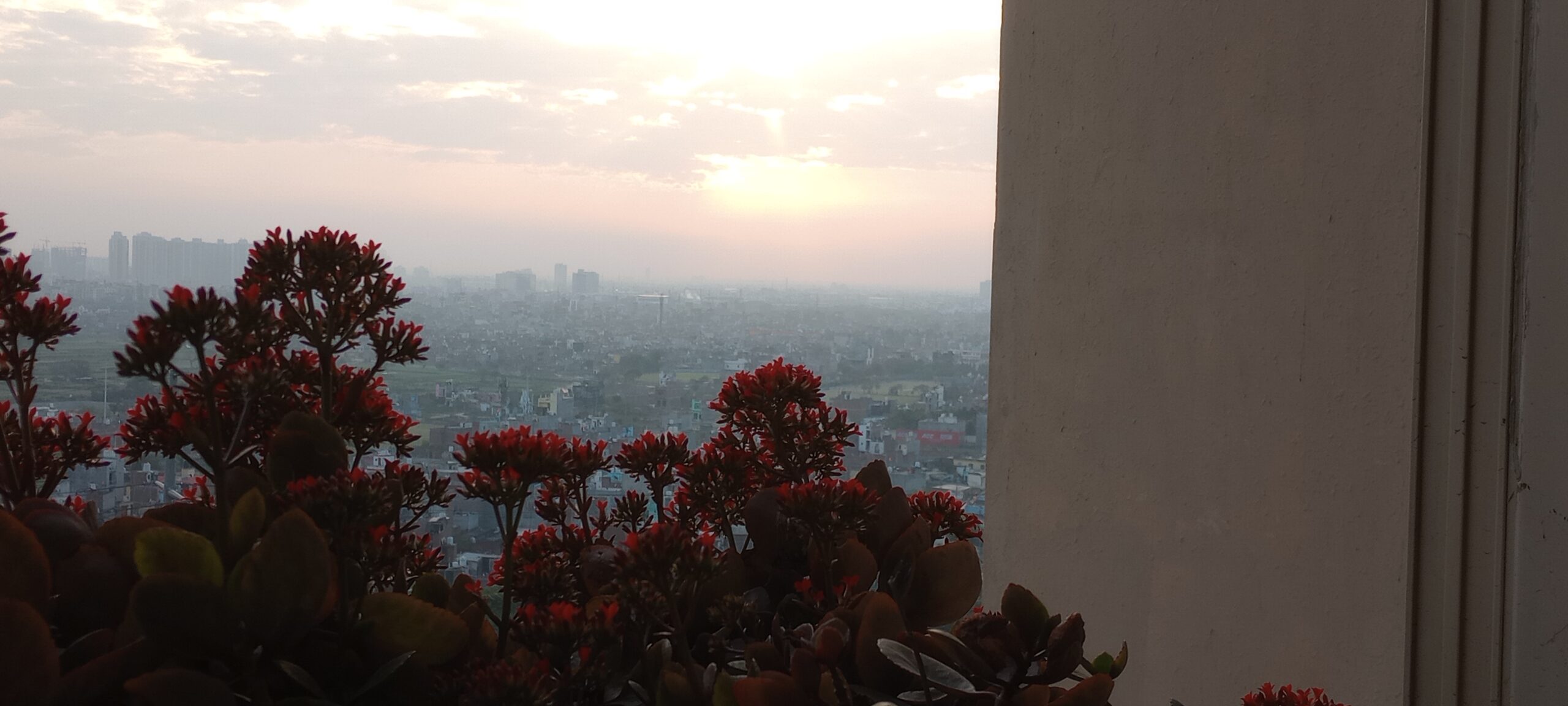
Kalanchoe produces clusters of colourful flowers that remain in bloom for weeks. Their compact growth and vibrant shades make them ideal for close-up photography. Even a smartphone can capture impressive images when photographed under soft natural light.
Related Read: How to Grow and Care for Kalanchoe
 6. Chrysanthemum
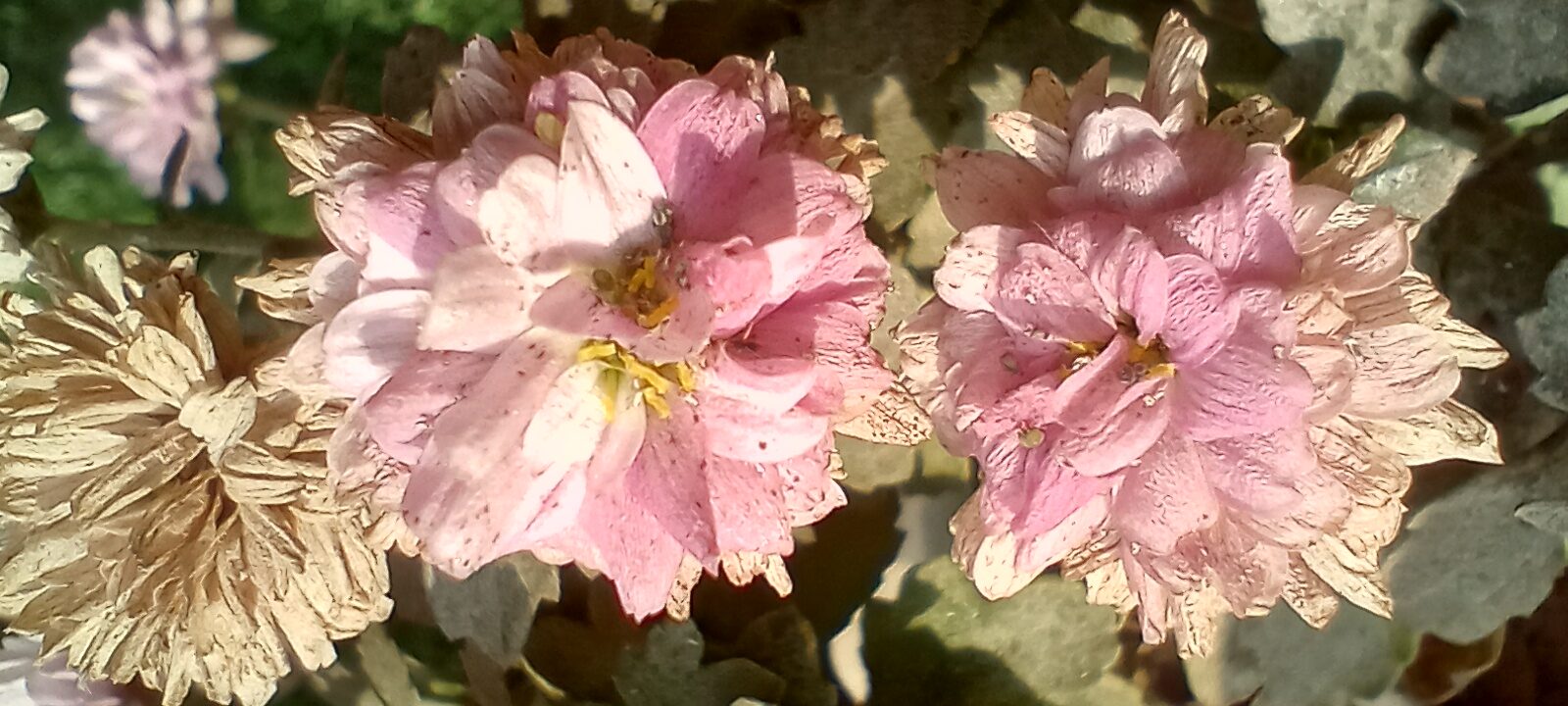
Known for its dense layers of petals, Chrysanthemum is a dream subject for macro photography. Every bloom reveals intricate textures and patterns that become even more beautiful during the golden hour.
Related Read: How to Grow and Care for Chrysanthemum Flowers
 7. Hibiscus
Large blooms, rich colours, and prominent stamens make Hibiscus one of the most dramatic flowers to photograph. It is particularly suitable for experimenting with depth of field and selective focus.
 8. Rose
Classic, elegant, and timeless, roses offer endless creative possibilities. Morning dew, layered petals, and soft natural light can transform even a simple rose into a breathtaking photograph.
9. Marigold
Marigolds are often overlooked, but their vibrant orange and yellow blooms create exceptional colour contrast. Their textured petals also work beautifully in close-up photography.
10. Jade Plant
The Jade Plant’s glossy, rounded leaves reflect light gently, making it ideal for minimalist photography. Its succulent structure creates pleasing geometric patterns that look beautiful in both indoor and outdoor settings.
11. Areca Palm
Areca Palm is famous for its long, arching fronds that create beautiful patterns of light and shadow. Photographing sunlight filtering through its leaves often results in elegant, tropical-looking images.
12. Peace Lily
The striking contrast between its white flowers and deep green foliage makes the Peace Lily an excellent subject for indoor photography. Window light enhances its simplicity and elegance.
13. Bougainvillea
If you’re looking for vibrant colours, Bougainvillea rarely disappoints. Its cascading branches and colourful bracts create stunning wall compositions and are particularly eye-catching during sunset.
14. Fern
Ferns may not produce colourful flowers, but their delicate fronds offer incredible texture and symmetry. They’re perfect for photographers who appreciate patterns and natural geometry.
 15. Sunflower
No list of photogenic plants is complete without the Sunflower. Its large blooms, bold colours, and ability to follow the sun make it an iconic subject for nature photography. Wide-angle shots, close-ups, and backlit compositions all work exceptionally well.
Tips for Photographing These Plants
Owning beautiful plants is only the first step. To create captivating photographs, pay attention to three key factors:
- Photograph during soft morning light or warm summer evenings for balanced lighting.
- Keep your composition simple by focusing on a single subject.
- Choose uncluttered backgrounds that allow the plant to stand out naturally.
If you’re new to photography, you’ll also find these guides helpful:
Final Thaughts
Beautiful plant photography isn’t about owning rare species or expensive cameras. It’s about learning to see beauty in everyday plants and capturing them with patience, creativity, and good natural light. Whether it’s a Petunia blooming on your balcony, a Monstera beside your window, or a Snake Plant in your living room, every plant has the potential to tell a visual story.
Start with the plants you already have, experiment with different lighting conditions, and most importantly, enjoy the process. The more you observe nature, the better your photographs will become.